Thromboaspiration & Catheter-Directed Thrombolysis (CDT)
- Home
- Thromboaspiration & Catheter-Directed Thrombolysis (CDT)
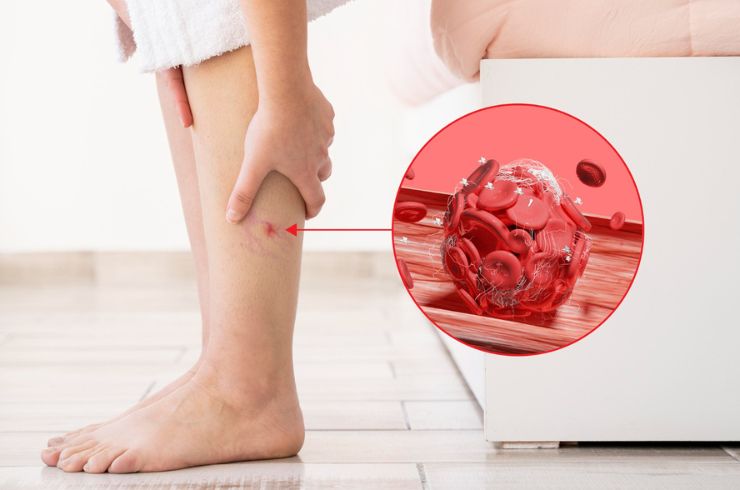
Thromboaspiration and Catheter-Directed Thrombolysis (CDT) are advanced, minimally invasive procedures used to treat Deep Vein Thrombosis (DVT) and Pulmonary Thromboembolism (PTE), which are conditions caused by blood clots in the veins or lungs. These procedures are designed to remove or dissolve the clots to restore normal blood flow and reduce the risk of complications such as post-thrombotic syndrome, pulmonary hypertension, or death.
What Is Thromboaspiration?
Thromboaspiration is a procedure used to physically remove blood clots from the veins or lungs using suction. A catheter is inserted through a small incision and threaded to the site of the clot. The catheter is then used to aspirate (suck) the clot out, restoring normal blood flow. This method is particularly effective for large or fresh clots in the veins or arteries.
What Is Catheter-Directed Thrombolysis (CDT)?
Catheter-Directed Thrombolysis (CDT) involves the delivery of clot-dissolving medication (thrombolytics) directly to the site of the clot through a catheter. This targeted approach allows for more effective and rapid dissolution of the clot with minimal side effects, compared to systemic thrombolysis (where the medication is given intravenously).
Why These Procedures Are Done:
- For DVT (Deep Vein Thrombosis): DVT is a condition where a blood clot forms in a deep vein, typically in the legs. The clot can cause pain, swelling, and, in severe cases, lead to complications such as pulmonary embolism (PE) if the clot breaks loose and travels to the lungs.
- For Pulmonary Thromboembolism (PTE): PTE occurs when a clot from the deep veins in the legs or other parts of the body travels to the lungs, blocking a pulmonary artery. This can lead to difficulty breathing, chest pain, and even life-threatening consequences if not treated promptly.
- To remove or dissolve clots: Both thromboaspiration and CDT are used to rapidly address large or life-threatening clots in the veins or lungs, preventing long-term damage and reducing the risk of complications such as chronic venous insufficiency, pulmonary hypertension, or death.
How Thromboaspiration Works:
- Preparation: The patient is given local anesthesia and sedation to ensure comfort during the procedure. A catheter is inserted into the vein through a small incision, typically in the groin or the arm.
- Procedure: Under X-ray guidance, the catheter is threaded through the vein to the clot. Suction is applied through the catheter to aspirate (remove) the clot from the vein or pulmonary artery.
- Post-procedure: The catheter is removed, and the patient is monitored for any complications. The procedure can often be completed in a short time, and many patients can resume normal activities within a few days.
How Catheter-Directed Thrombolysis (CDT) Works:
- Preparation: The patient is given local anesthesia and mild sedation. A catheter is inserted into a vein (often in the groin or arm) and threaded toward the clot under real-time imaging guidance.
- Procedure: Once the catheter is positioned at the clot site, a thrombolytic agent (such as tissue plasminogen activator) is delivered directly to the clot. This medication works to dissolve the clot over time.
- Post-procedure: The patient is closely monitored for signs of bleeding, and follow-up imaging may be used to assess the success of the clot removal or dissolution. The catheter is removed once the procedure is complete.
Benefits of Thromboaspiration & CDT:
- Minimally invasive: Both procedures are performed through small incisions, avoiding the need for open surgery and resulting in less pain, fewer complications, and faster recovery.
- Effective clot removal: Thromboaspiration physically removes the clot, while CDT dissolves it using targeted thrombolytics, both providing rapid relief from the dangerous effects of DVT and PTE.
- Preservation of tissue: By removing or dissolving the clot quickly, these procedures prevent damage to the veins, lungs, and other organs, reducing the risk of long-term complications like chronic venous insufficiency, pulmonary hypertension, or post-thrombotic syndrome.
- Improved outcomes: Both procedures offer better outcomes for patients with large, life-threatening clots who would otherwise require more invasive surgery or may not be suitable candidates for systemic thrombolysis.
Aftercare:
- Monitoring: Patients are monitored for bleeding or other complications after the procedure, particularly given the use of thrombolytics or the physical removal of clots.
- Compression stockings: For DVT patients, compression stockings may be recommended to improve blood flow and reduce swelling.
- Follow-up imaging: Follow-up imaging studies may be required to assess the effectiveness of the procedure and ensure that the clot has been completely removed or dissolved.
- Medications: Patients may be prescribed anticoagulants to prevent further clot formation and to assist in the healing process.
Interventions Offered
- Ultrasound-Guided FNAC/Biopsy
- Percutaneous Drainage Procedures
- Soft Tissue & Joint Injections (PRP)
- Spinal Infiltrations
- Nerve Blocks for Pain Management
- Trans Arterial Micro Embolization (TAME)
- PTBD & Biliary Stenting
- PCN & Ureteral Stenting
- Bronchial Artery Embolization for Hemoptysis
- Prostatic Artery Embolization for BPH
- Uterine Artery Embolization for Fibroids
- Varicocele Embolization
- Genicular Artery Embolization for Knee Osteoarthritis
- TACE / TARE for Liver Cancer Treatment
- Thyroid Nodule & Tumor Ablation
- Transjugular Intrahepatic Portosystemic Shunt (TIPS)
- EVLA (Endovenous Laser Ablation) & Sclerotherapy for Varicose Veins
- Thromboaspiration & Catheter-Directed Thrombolysis (CDT) for DVT & Pulmonary Thromboembolism
- Management of Peripheral Artery Disease (PAD)