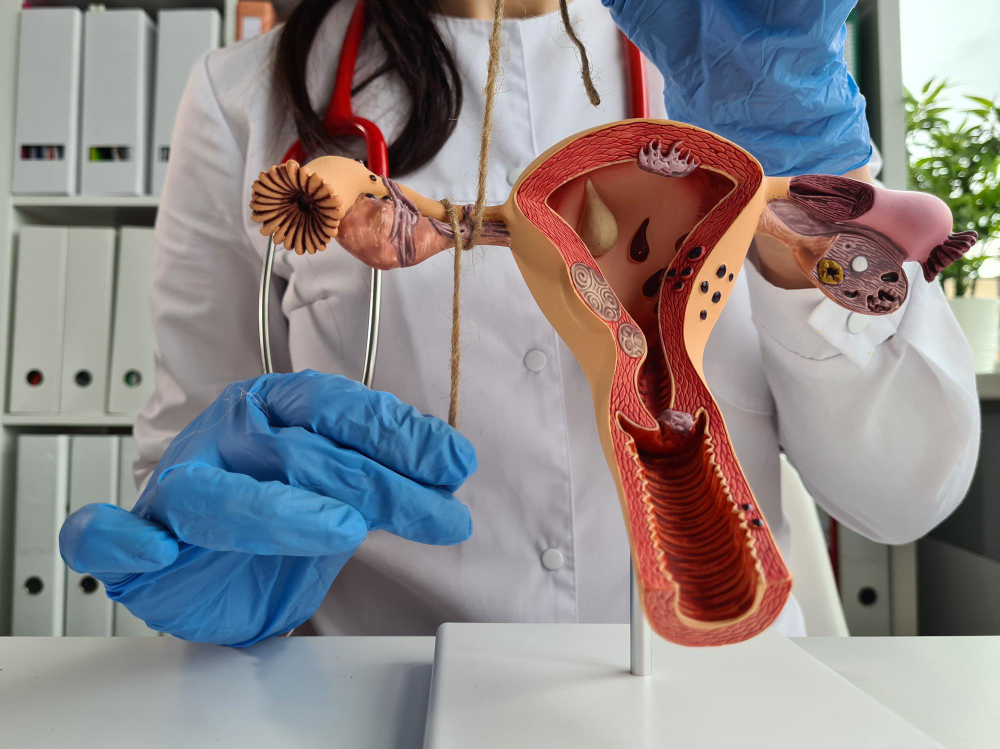
Introduction
Fallopian Tube Recanalization is a special procedure that helps open blocked fallopian tubes. These tubes are important for women who want to become pregnant. When a tube is blocked, it can stop eggs from meeting sperm. As a result, this can lead to trouble getting pregnant. Interventional radiology offers a gentle, non-surgical way to treat blocked fallopian tubes. In this blog, you will learn how this treatment works, who can benefit, and what to expect.
What Is Fallopian Tube Recanalization?
Fallopian Tube Recanalization is a medical procedure. It uses thin tubes and special X-rays to open blocked fallopian tubes. Doctors use this method to help women who have trouble getting pregnant due to blocked tubes. Instead of surgery, this treatment uses a small tube called a catheter. The doctor gently guides it into the blocked area. As a result, the tube can become open again. This gives women a better chance of natural pregnancy.
Causes of Fallopian Tube Blockage
Many things can block fallopian tubes. Here are some common causes:
How Interventional Radiology Helps
Interventional radiology uses imaging tools, like X-rays, to guide tiny instruments inside the body. In Fallopian Tube Recanalization, doctors do not need to make big cuts. Instead, they use a thin tube to reach the blocked area. Because of this, the procedure is less painful and has a shorter recovery time. Compared to traditional surgery, this method has fewer risks and leaves no large scars. Many women can go home the same day.
The Procedure Step-by-Step
Here is how Fallopian Tube Recanalization is usually done:
Who Can Benefit?
Not everyone needs this procedure. However, it is helpful for women who:
It is important to talk with your doctor to see if this is right for you.
Risks and Safety
Every medical procedure has some risks. Still, Fallopian Tube Recanalization is considered safe. Possible risks include:
Doctors take steps to lower these risks. They use sterile tools and watch for any problems during the procedure.
Recovery and Aftercare
Most women recover quickly after Fallopian Tube Recanalization. Here are some tips for a smooth recovery:
If you have any concerns, contact your doctor right away.
Success Rates and Outcomes
According to the World Health Organization and medical studies, Fallopian Tube Recanalization opens blocked tubes in about 85% of cases. Pregnancy rates after the procedure range from 30% to 50%, depending on age and other factors. While not every woman will become pregnant, this treatment offers hope for many who want to start a family.
Prevention and Lifestyle Guidance
While some causes of blocked tubes cannot be prevented, you can lower your risk by:
Healthy habits can support your fertility and overall well-being.
Frequently Asked Questions
Conclusion and Next Steps
In summary, Fallopian Tube Recanalization is a safe and effective way to treat blocked fallopian tubes. Interventional radiology offers a gentle, less invasive option for women hoping to become pregnant. If you think this procedure may help you, consult a radiology specialist like Dr. Raghav Seth (Interventional Radiologist) for personalized guidance.