What is De Quervain’s Tenosynovitis?
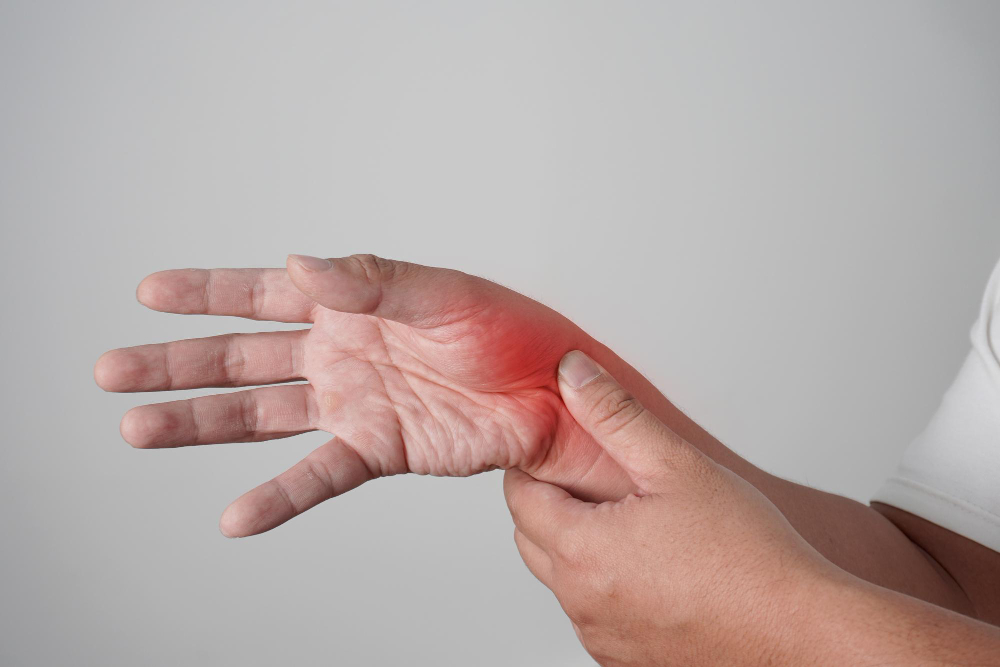
De Quervain’s Tenosynovitis is a painful condition affecting the tendons on the thumb side of your wrist. Often, it causes swelling and discomfort, making it hard to move your thumb or wrist. Many people experience pain when gripping or twisting objects. While traditional treatments exist, interventional radiology offers new hope. In fact, ultrasound-guided treatment for De Quervain’s and other minimally invasive procedures for wrist pain are becoming more common. Radiology-guided injections for tendonitis can help reduce pain and improve movement.
Symptoms and Causes
Usually, De Quervain’s Tenosynovitis starts with pain near the base of the thumb. Over time, the pain may spread up the forearm. Sometimes, swelling and a catching feeling can occur. For example, you might notice pain while lifting a child or twisting a jar lid.
Several factors can cause this condition. Repetitive hand movements, injury, or even certain health conditions like arthritis may lead to tendon irritation. Sometimes, new mothers develop this problem due to lifting their babies often.
Diagnosis: The Role of Interventional Radiology
To diagnose De Quervain’s Tenosynovitis, doctors start with a physical exam. However, interventional radiology can play a key role. For instance, ultrasound imaging helps doctors see the tendons and spot swelling. This method is quick, safe, and does not use radiation. Because of this, it is a preferred choice for many specialists. Ultrasound also helps guide treatments, making them more accurate and effective.
Interventional Radiology Treatments
Interventional radiology offers several minimally invasive procedures for wrist pain. These treatments are often done with ultrasound guidance. As a result, they are precise and cause less discomfort. Common options include:
Because these treatments are done through tiny openings, recovery is usually fast. Most people can return to normal activities soon after.
Benefits and Risks of Radiology-Guided Procedures
There are many benefits to radiology-guided procedures for De Quervain’s Tenosynovitis. For example, these treatments are:
However, as with any medical procedure, there are some risks. These may include infection, bleeding, or a reaction to the injected medicine. Still, serious problems are rare. Most people experience relief with few side effects. According to studies published in peer-reviewed journals, success rates are high for these treatments.
Prevention and Lifestyle Tips
While not all cases can be prevented, some steps may lower your risk. For instance, you can:
Additionally, using supportive devices like wrist splints may help. If you notice early signs of pain, seek advice before symptoms get worse.
When to Consult a Specialist
If you have ongoing wrist pain or swelling, it is important to see a doctor. Especially if home care does not help, a specialist in interventional radiology can offer advanced options. Early treatment can prevent the problem from getting worse. Moreover, personalized care ensures the best outcome for your needs.
In summary, De Quervain’s Tenosynovitis can be managed with modern, minimally invasive treatments. Consult a specialist in interventional radiology like Dr. Raghav Seth for personalized advice on De Quervain’s Tenosynovitis.