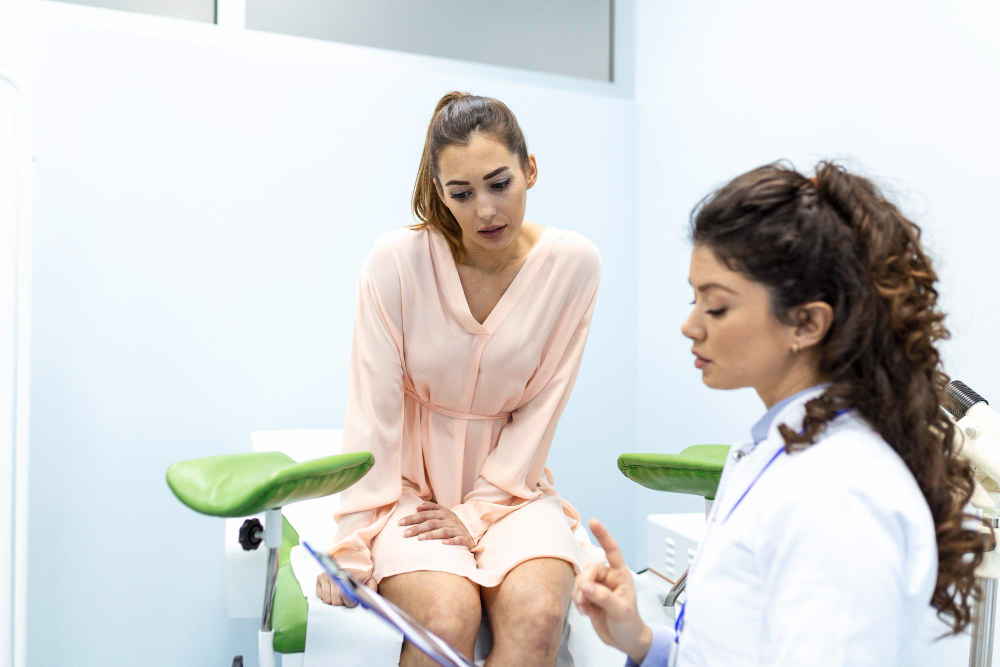
What Are Uterine Fibroids?
Uterine fibroids are non-cancerous growths in the uterus. They are common in women of childbearing age. Although many women have no symptoms, some may notice heavy periods, pain, or pressure in the lower belly. Because fibroids can affect daily life, many women seek treatment. According to the CDC, up to 70% of women may develop fibroids by age 50. However, not all fibroids need treatment. If symptoms are mild, doctors may suggest watchful waiting. For those with bothersome symptoms, several treatment options exist.
What Is Uterine Artery Embolization (UAE)?
Uterine artery embolization, or UAE, is a minimally invasive treatment for fibroids. In this procedure, a doctor blocks the blood supply to the fibroids. As a result, the fibroids shrink and symptoms improve. UAE is performed by a specialist called an interventional radiologist. This doctor uses imaging tools to guide the procedure. Many women choose UAE because it does not require open surgery. In the USA and worldwide, UAE is becoming a popular choice for women’s health.
How Does UAE Work? (Interventional Radiology Perspective)
During UAE, an interventional radiologist uses Fluoroscopic guidance to reach the arteries that feed the fibroids. Here is how the UAE procedure usually works:
Because the doctor uses imaging, the process is precise. Most women go home the same day or after one night. Recovery is usually faster than with surgery. Interventional radiology for women’s health offers many such advanced treatments.
Benefits of UAE for Uterine Fibroids
UAE offers several benefits for women with fibroids. For example, it is less invasive than surgery. Additionally, it helps preserve the uterus. Other key benefits include:
Moreover, many women return to normal activities within a week. Studies from the CDC and peer-reviewed journals show high satisfaction rates after UAE.
Risks and Considerations
Like any medical procedure, UAE has some risks. However, most side effects are mild and temporary. Common risks include:
Possible impact on future pregnancy
Who Is a Candidate for UAE?
Not all women with fibroids need UAE. However, you may be a good candidate if:
On the other hand, UAE may not be suitable for women who are pregnant, have certain infections, or have cancer of the uterus. Always talk to a qualified interventional radiologist to see if UAE is right for you.
What to Expect Before, During, and After UAE
Before the Procedure
During the Procedure
After the Procedure
Because recovery is usually quick, many women prefer UAE over surgery.
Prevention and Lifestyle Tips
While you cannot always prevent fibroids, some healthy habits may help. For instance, eating a balanced diet and staying active can support overall health. Here are some tips:
Although these steps may not stop fibroids, they can improve your well-being.
Frequently Asked Questions
Conclusion
Uterine artery embolization for uterine fibroids is a safe and effective, minimally invasive treatment. Because it offers quick recovery and lasting relief, many women choose UAE. If you have symptoms from fibroids, consult Dr. Raghav Seth, a qualified interventional radiologist, to discuss if UAE is right for you.