Percutaneous Drainage Procedures
- Home
- Percutaneous Drainage Procedures
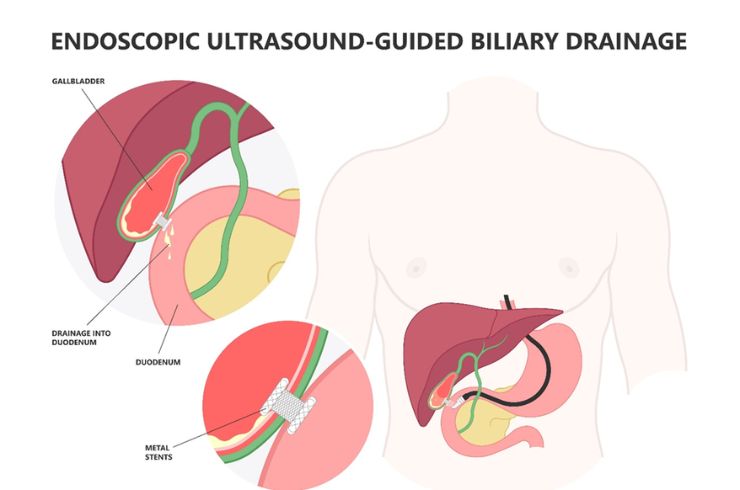
Percutaneous drainage is a minimally invasive procedure used to drain fluid or pus from an infected or abscessed area within the body. This procedure is often performed under ultrasound or CT guidance to ensure precise placement of the drainage tube. It is commonly used to treat conditions such as abscesses, fluid collections, and certain types of infections.
What Is It?
Percutaneous drainage involves inserting a thin, flexible catheter or drainage tube through the skin and into the affected area. The procedure allows the removal of fluid or pus that has built up due to infection, injury, or disease. The tube is typically left in place temporarily to allow continuous drainage and help the body heal.
Why It Is Done:
- To drain abscesses or collections of infected fluid in organs like the liver, kidney, or lungs.
- To relieve pressure caused by fluid accumulation in certain conditions such as pancreatitis, peritonitis, or infected cysts.
- To manage infected fluid collections after surgery or trauma.
- To treat conditions like bile duct obstructions or abscesses caused by diverticulitis, appendicitis, or pelvic infections.
How It Works:
- Preparation: The patient is typically asked to lie down, and the area of insertion is cleaned and sterilized. Local anesthesia is used to numb the area where the catheter will be inserted.
- Procedure: Using ultrasound or CT imaging, the doctor guides the catheter into the fluid collection or abscess. Once in place, the fluid is drained through the catheter.
- Post-procedure: The catheter remains in place for a period of time, depending on the type and amount of fluid being drained. The doctor will monitor the drainage to ensure proper healing. In some cases, the catheter may be removed once the infection has resolved and the fluid buildup has been cleared.
Benefits:
- Minimally Invasive: Percutaneous drainage does not require major surgery and involves only small incisions or needle punctures, reducing recovery time and risk.
- Quick Recovery: Since the procedure is minimally invasive, patients typically experience faster recovery compared to open surgical options.
- Effective for Infection Control: It is an effective method to remove pus or infected fluid, preventing the spread of infection and reducing complications.
Risks:
- Infection: Although rare, there is a small risk of infection at the insertion site.
- Bleeding: In some cases, there may be minor bleeding during the procedure.
- Injury to Surrounding Tissues: There is a slight risk of damaging nearby organs or tissues during catheter insertion.
- Need for Further Drainage: In some cases, additional drainage procedures may be necessary if the fluid collection recurs.
Aftercare:
- Regular follow-up appointments are needed to monitor the drainage and ensure that the fluid does not accumulate again.
- The catheter may be removed once the drainage stops, and healing is observed.
Interventions Offered
- Ultrasound-Guided FNAC/Biopsy
- Percutaneous Drainage Procedures
- Soft Tissue & Joint Injections (PRP)
- Spinal Infiltrations
- Nerve Blocks for Pain Management
- Trans Arterial Micro Embolization (TAME)
- PTBD & Biliary Stenting
- PCN & Ureteral Stenting
- Bronchial Artery Embolization for Hemoptysis
- Prostatic Artery Embolization for BPH
- Uterine Artery Embolization for Fibroids
- Varicocele Embolization
- Genicular Artery Embolization for Knee Osteoarthritis
- TACE / TARE for Liver Cancer Treatment
- Thyroid Nodule & Tumor Ablation
- Transjugular Intrahepatic Portosystemic Shunt (TIPS)
- EVLA (Endovenous Laser Ablation) & Sclerotherapy for Varicose Veins
- Thromboaspiration & Catheter-Directed Thrombolysis (CDT) for DVT & Pulmonary Thromboembolism
- Management of Peripheral Artery Disease (PAD)